The Ultimate Glossary of Latin Dance Terms for Instructors in 2025
As a Latin dance instructor, do you ever find that explaining a complex move is more challenging than performing it? Or as a student, have you felt lost hearing terms like “Guapea” or “Caixa”? If this sounds familiar, you’ve come to the right place. A shared, precise vocabulary is the bedrock of any successful dance class and a critical component for your professional growth.
Mastering and using correct Latin dance terms not only solidifies your authority but also dramatically accelerates your students’ learning process. That’s why we’ve crafted this definitive guide for 2025. Our mission is to standardize the language, enhance your teaching, and ultimately, strengthen your brand in the competitive dance market. Let’s explore the essential terminology of Salsa, Bachata, and more, and see how Personal Millbody can revolutionize your teaching career.
Foundational Concepts: The Universal Language of Partner Dance
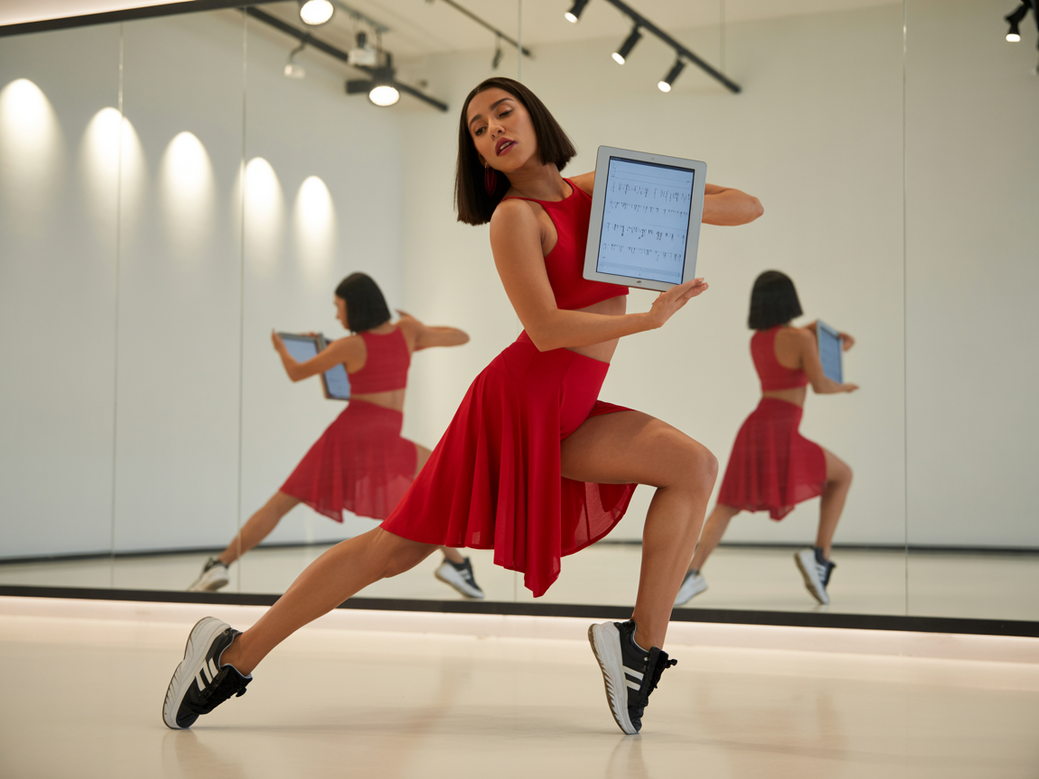
Before diving into specific rhythms, every dance personal trainer must master a set of universal concepts. These are the building blocks for every move you will teach and every pattern your students will learn. Understanding these core principles is non-negotiable for effective instruction.
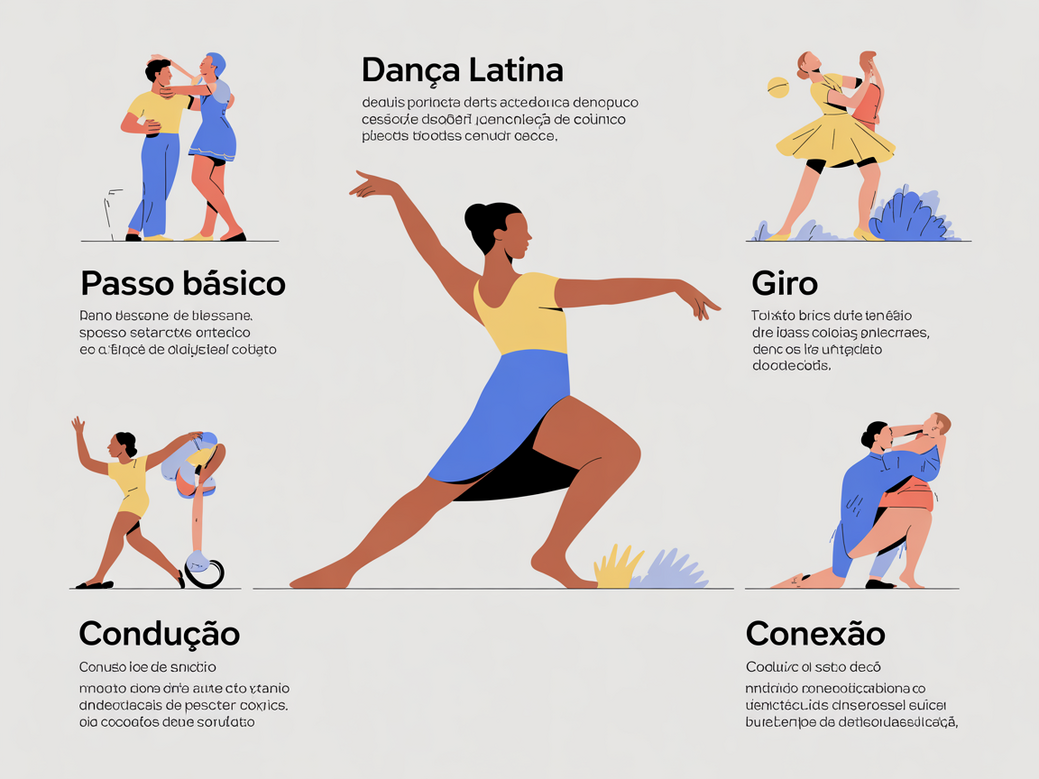
- Lead (Condução): This is the art of non-verbal communication. The leader uses subtle signals through the frame, body, and connection points to indicate the next move. It’s about guidance, not force. A great lead is clear yet feels effortless to the follower.
- Connection (Conexão): This refers to the physical and energetic link between partners. Maintained through light tension in the hands, back, or shoulders, it’s the channel through which the lead and follow dialogue occurs. A solid connection is responsive, firm, and light.
- Posture (Postura): The way a dancer holds and aligns their body. A strong, upright posture is fundamental for balance, aesthetics, injury prevention, and executing movements with precision. It is the essential frame of your dance.
- Timing/Rhythm (Ritmo): More than just stepping on the beat, this is the soul of the dance. It’s the ability to hear and interpret the music, executing steps on the correct count. It connects the physical movement to the music’s emotional core.
- Basic Step (Passo Básico): The foundational footwork pattern for each dance style. It acts as a ‘home base’ or reset point between more complex moves. Mastering the basic step is the first and most crucial milestone for any beginner.
Technical Latin Dance Terms: A Style-by-Style Breakdown
Each Latin dance boasts a unique vocabulary. Knowing these specific Latin dance terms is vital for teaching with authenticity and precision. Here’s a detailed look at the essential terminology for the most popular styles taught today.
Salsa Terminology
Salsa is a dynamic and rhythmically complex dance. While there are many styles, most are danced on an 8-count musical phrase. Understanding this structure is key.
- On-1 vs. On-2: This defines when the leader takes their first breaking step. In On-1 style (like LA style), the break happens on the first beat of the music. In On-2 style (like New York style), the break happens on the second beat, creating a different rhythmic feel.
- Cross-Body Lead: A cornerstone of linear salsa styles. The leader guides the follower across their body, moving them from one side of the ‘slot’ to the other. It is a fundamental setup for countless other patterns.
- Dile Que No: A foundational move in Cuban Salsa (Casino). Meaning “tell him no,” this move transitions the couple from a closed position (inside the circle) to an open position, ready for other circular patterns.
- Shines: Solo footwork sequences performed when partners break away from each other. Shines are a chance for individual expression, styling, and showcasing musicality.
Bachata Terminology
Known for its romantic and often sensual character, Bachata has evolved into several distinct styles. The core rhythm, however, remains consistent.
- The Basic & Tap: Bachata is danced on an 8-count, with three steps followed by a ‘tap’ or hip lift on the 4th beat (1, 2, 3, Tap; 5, 6, 7, Tap). This tap is the signature of the dance.
- Box Step (Caixa): The traditional basic step of Dominican Bachata, which traces a square pattern on the floor. Modern and Sensual styles often use a side-to-side basic instead.
- Bachata Sensual: A modern style originating from Spain. It is characterized by fluid body waves, isolations, and close-embrace movements that require a high degree of connection and body control.
- Giro (Turn): A general term for a turn. In Bachata, turns can be simple or complex, often incorporating specific handholds and body leads to execute smoothly.
Merengue and Other Styles
Merengue is often a gateway dance for beginners due to its straightforward rhythm, but it has its own unique terms and character.
- Marcha: The basic step of Merengue, which is a simple march where weight is shifted on every beat of the music, accompanied by a characteristic hip sway (Cuban motion).
- Paso de la Empalizada: A traditional side step with a pronounced bending of the knees, giving the dance a distinctive look and feel.
- Zouk: Often taught in Latin dance schools, Zouk is known for its fluid, whip-like head movements, and deep, elastic connection. Key terms include *’Frango Assado’* (roasted chicken) for a specific head movement and the ‘elastic’ basic step.
This comparative table can help your students quickly differentiate between the core styles:
| Dance Style | Rhythm & Count | Core Movement | Feeling |
|---|---|---|---|
| Salsa | Quick, quick, slow (on 1,2,3… 5,6,7) | Forward-and-back or side-to-side steps | Energetic, vibrant, complex |
| Bachata | Side steps with a tap (on 1,2,3,TAP… 5,6,7,TAP) | Side-to-side basic with hip motion | Romantic, sensual, grounded |
| Merengue | Marching on every beat (1,2,3,4…) | Weight-shifting march with hip sway | Simple, festive, joyful |
The Professional Advantage: Why Mastering Latin Dance Terms Matters
Why is it so crucial to go beyond just demonstrating moves? Using a precise, shared vocabulary provides tangible benefits that elevate your teaching and grow your business. It’s a key differentiator between an amateur and a professional instructor.
According to a 2025 study by the ‘Global Dance Council,’ instructors who use precise, standardized terminology see a 40% higher student retention rate. The research, which surveyed 5,000 dance students, highlighted that clear communication was a key factor in student satisfaction and progress. For further reading, academic resources from institutions like the Juilliard School often emphasize the importance of pedagogy and clear language in dance education.
Here are the main benefits you will unlock:
- Accelerated Student Learning: When students understand the terms, they can process instructions faster. This allows them to connect new moves to familiar concepts, building a mental map of the dance.
- Enhanced Professional Authority: A teacher who speaks with clarity and precision is perceived as more knowledgeable and trustworthy. This builds your personal brand and justifies premium pricing.
- Improved Safety and Technique: Correct terminology for concepts like ‘posture’ and ‘connection’ helps prevent injuries. It ensures students develop proper, safe habits from day one, which is your responsibility as an instructor.
- Creates a Universal Language: It empowers your students to attend workshops with other instructors or dance socially anywhere in the world. They will feel confident and prepared, reflecting well on your teaching.
- Scalability for Your Business: If you decide to train other instructors under your brand, a standardized vocabulary ensures consistent teaching quality. It’s the foundation for building a scalable dance school or franchise.
Beyond Moves: The Vocabulary of a Master Teacher
Being a great dancer is not the same as being a great teacher. To learn how to teach Latin dance professionally, you must master the vocabulary of pedagogy. This is what separates a good instructor from a truly transformative one.
- Didactics (Didática): The art and science of teaching. It involves choosing the best methods, analogies, and strategies for your specific students to learn efficiently and joyfully.
- Pedagogical Progression: The logical sequence in which you introduce content, moving from the simplest to the most complex. A solid progression builds confidence and prevents students from feeling overwhelmed.
- Musicality (Musicalidade): This goes far beyond just dancing on the beat. It’s about teaching students to interpret the music—to understand its structure, accents, and instruments. Teaching musicality turns a technical dancer into an artist. For official information on dance as a sport and art, you can consult the World DanceSport Federation (WDSF).
- Constructive Feedback: The ability to correct a student in a positive, encouraging, and specific way. Focus on the solution and the feeling, not just the mistake. For example, instead of “Your frame is wrong,” try “Try to create more space here by engaging your lats.”
The Business of Dance: Essential Terms for Career Growth
To transform your passion into a sustainable and profitable career, you must speak the language of business. The professionalization of the Latin dance teacher depends on this financial and strategic literacy.
- Workshop: An intensive, single-session class focused on a specific topic (e.g., “Bachata Sensual Fundamentals”). It’s a powerful tool for generating extra income and attracting new students.
- Congress/Festival: Large-scale events that unite teachers, artists, and students for a weekend of workshops, performances, and social dancing. They are prime opportunities for networking, learning, and building your brand visibility.
- Digital Marketing: The use of online strategies—such as social media, content marketing (like this blog!), and targeted ads—to promote your classes and attract more students.
- Personal Branding: The conscious management of your professional reputation. It’s how you position yourself in the market, what makes you unique, and why students should choose you over other instructors.
🎯 Ready to start? Building your brand begins with professional tools that save you time and elevate your image.
How Personal Millbody Professionalizes Your Dance Classes
Understanding these Latin dance terms is the first step. The second is having the right tools to apply this knowledge and transform your career. This is where Personal Millbody comes in, designed by and for instructors like you.
We understand the daily struggles of a dance instructor: chaotic group chats, chasing payments, managing schedules, and having no time left to focus on what truly matters—teaching. We built a complete platform to solve these problems.

With Personal Millbody, you get:
- Your Own Branded App: An application with your name and logo where students access schedules, class videos, and communicate directly with you.
- Automated Payments: End awkward payment reminders. The platform handles recurring subscriptions and single-class payments automatically.
- Effortless Organization: Manage in-person, online, and hybrid classes with a few clicks. Keep your student roster, attendance, and communication all in one place.
- A Thriving Community: Build an exclusive online space for your students, fostering loyalty and strengthening the social bonds that keep them coming back.
Imagine having hours back each week to dedicate to your teaching methods, your own training, and your professional growth, while technology handles the administrative burden. That is our commitment to you.
💡 Tip: Start transforming your career and achieve your independence now! Professionalize your Latin dance classes with Personal Millbody.